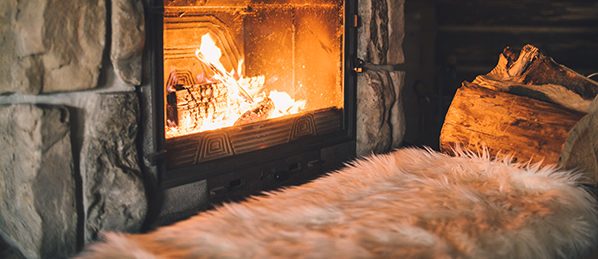
A fireplace or wood burning stove is a top sought-out amenity when it comes to buying a home. You often hear or see homeowners boasting about their fireplaces and their decorated mantles. Cozy nights by the fire during chilly winter nights, beautifully arranged decorations on a mantle, and reduced energy bills are just some of the most common reasons people want a wood burning appliance in their home. There are so many positive aspects of having a fireplace. However, along with all the positive aspects, there comes danger as well. Fireplaces and chimneys are obviously huge factors when it comes to house fires. While a fire can be devastating and deadly, it is not the only danger. There are many other risks associated with having a chimney. Thankfully, with proper use and proper Manasquan chimney service, many of these dangers can be managed and avoided.
How to Avoid House Fires
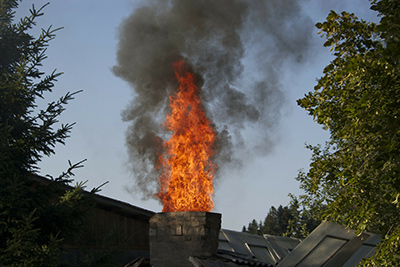
Not all house fires originate in a chimney. However, many chimney fires lead to house fires. The best way to avoid either is to properly care for your chimney. The National Fire Protection Agency recommends an annual inspection of any chimney with a thorough cleaning as needed. The trouble with chimneys is that most of the important parts are not visible. Therefore, it takes an expert to properly inspect a chimney. Appropriate tools are needed and expert training is required. A big part of chimney inspections is looking for the build-up of creosote, a by-product of burning wood. This tarry substance is not just flammable, but it can cause an obstruction of airflow. Not only are the technicians inspecting the inside of chimney for blockages but also for impairments and broken parts. Even slight imperfections and small cracks on certain parts of the chimney can be a big risk factor.
Manasquan Chimney Service Protects Homes
Fire is a pretty serious danger. Unfortunately, it isn’t the only risk you can associate with wood burning appliances like stoves and fireplaces. One other major concern with fireplaces is carbon monoxide poisoning. It is referred to as the silent killer because it is virtually undetectable and by the time you realize you may be at risk, it is often too late. Carbon monoxide poisoning is on the rise for one simple reason. Homes are being built more and more airtight. This means less air escapes outside and less fresh air coming in. This is why annual Manasquan chimney service by a professional like Carlin Chimney and Duct Service is so important. It ensures proper ventilation for your fireplace by removing blockages and repairing damages. It not only protects your home and family from fire, but from carbon monoxide dioxide poisoning too.
Proper Fireplace Practices Matter
Since creosote build-up is a major cause of chimney fires and creosote is a natural by-product of burning wood fuel, the best way to stay safe is to minimize this substance as much as possible. One easy way to do this is to use proper fireplace practices.
- Use the proper fuel – Only use seasoned hardwood such as oak and beech. Avoid softwoods and unseasoned wood. Green wood contains too much moisture which results in a lot of smoke, but not a lot of heat.
- Open the damper fully – Some people think that having the damper open will release heat and keep it partially closed while burning a fire. This only results in an influx of carbon monoxide and smoke into your home.
- Never leave a fire unattended – This may seem like common sense, but unfortunately we need to say it. We’ll assume you can figure this one out. Also, never use water to put out a burning fire. Use a proper fire extinguisher if you need to douse your fire quickly.
- Always have your chimney inspected – Manasquan chimney service is the number one step in fire safety.
Manasquan Chimney Service Isn’t a Safety Net
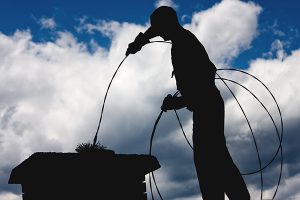
Although Manasquan chimney service does ensure there is not an excessive build-up of creosote and that all parts of your chimney are in working order, it is not a replacement for proper fireplace use. Even though having your chimney inspected helps keep your home protected annually, appropriate fire building and fireplace practices keep your home safe during use. Knowing that you had your chimney inspected is not an excuse to use bad fire building techniques or unsafe fire-starting methods. Every time you use your fireplace it is a risk. Suitable respect should be given to your wood burning stove and fireplace for what they have the power to do. With safe use, you can enjoy every benefit a fireplace has to offer.
Chimney Problems Develop Over Time
Even when a fireplace appears to be working properly, hidden issues can slowly develop inside the chimney. Many homeowners assume that problems will be obvious, but this is rarely the case. Damage often starts small and worsens quietly with continued use. Mortar joints can weaken from repeated heating and cooling cycles, liners can crack, and moisture can find its way into areas that should remain dry. Over time, these conditions reduce efficiency and increase safety risks.
Moisture is one of the most common contributors to chimney damage. Rain and humidity can enter through damaged caps or flashing and cause deterioration inside the flue. When moisture mixes with soot and residue, it can create acidic conditions that eat away at masonry and metal components.
Birds, squirrels, and raccoons often view chimneys as safe shelter. Nesting materials can restrict airflow and increase the chance of smoke backing up into the home. Leaves and other debris can create similar blockages, especially after storms. These issues are rarely discovered without a professional inspection.
Routine Manasquan chimney service helps catch these developing problems before they turn into serious hazards. Inspections allow technicians to evaluate the condition of liners, masonry, and ventilation paths while addressing small issues early. By staying proactive, homeowners protect both their fireplace investment and the safety of everyone in the home.